Additive helps you prototype faster, produce low-volume parts without tooling, and reduce supplier delays.
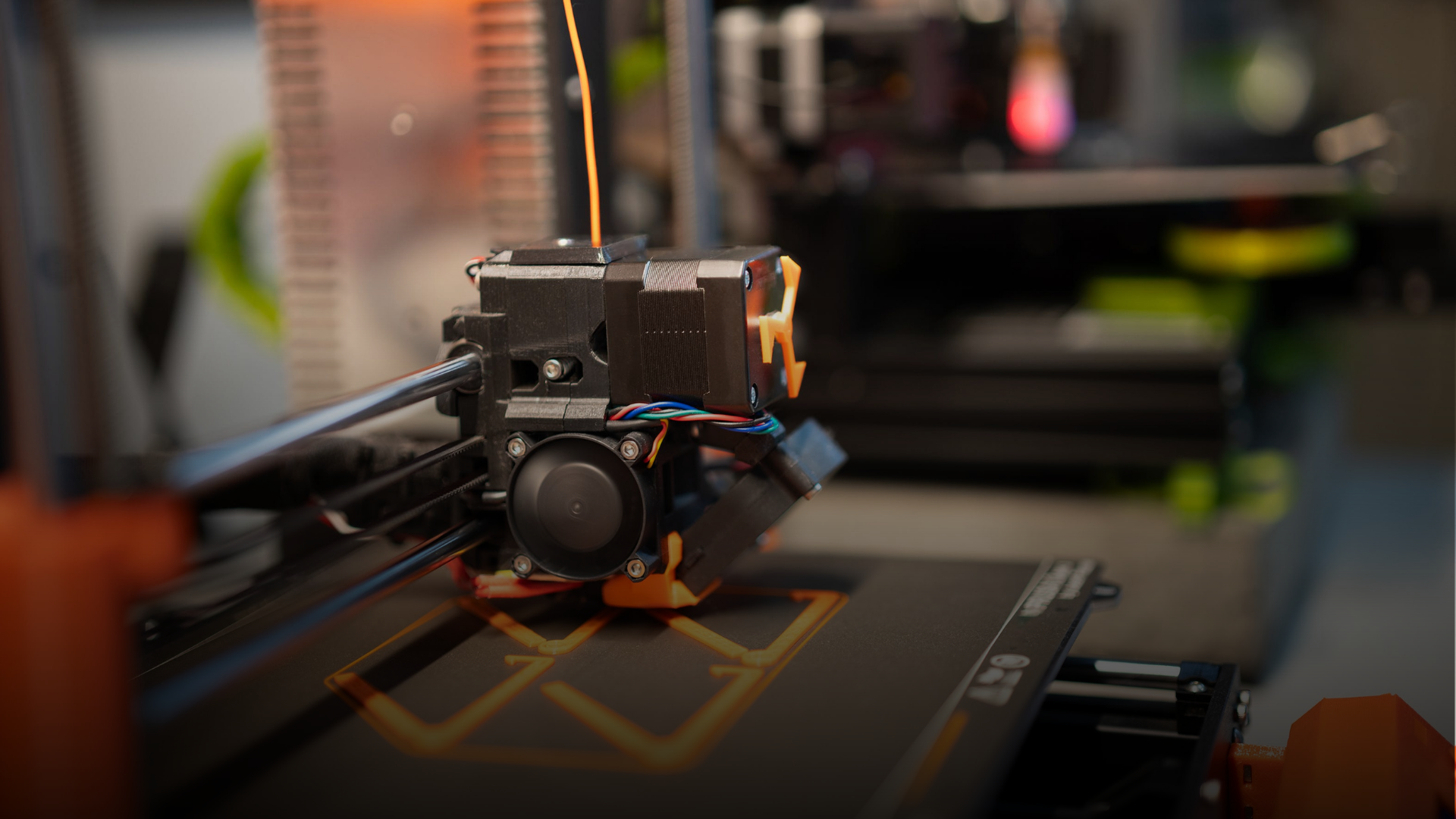
If you manage multiple configurations, specialty builds, service parts, or evolving platforms, you already know where things get stuck.
Additive works best when used selectively — for the parts that don’t fit traditional manufacturing efficiently. It helps you:
Produce low-volume parts without tooling investment
Support legacy or service components without excess inventory
Reduce supplier lead-time risk
Accelerate prototyping and iteration
Cut time, cost, and engineering load through 3D Printing.
Practical additive applications for your team include:


Operational improvements across Engineering, Operations, and Supply Chain:
Shorter development cycles
Lower tooling spend on short runs
Reduced inventory exposure
Faster turnaround for replacement parts
Less engineering time spent redesigning around supply constraints
Greater control over sourcing volatility
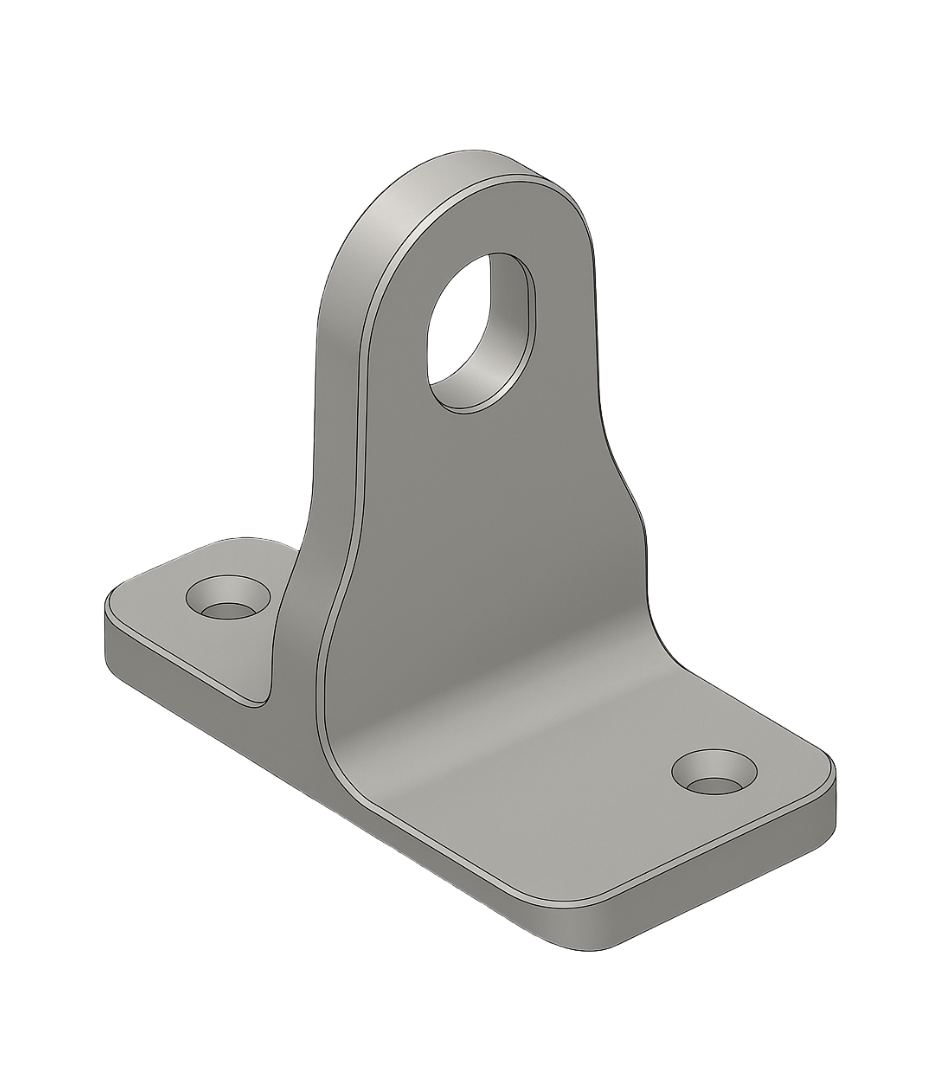
⏱ Typical lead time: 20–40 days, depending on part complexity.
Request a Demo.png)
We help you identify the components where additive makes the biggest financial and operational impact.
No disruption. No full-line transition. Just focused improvements where it matters most.
.png)